
Sedation dentistry for dental implant anxiety
By Kai Ramos · Updated 2026-06-11
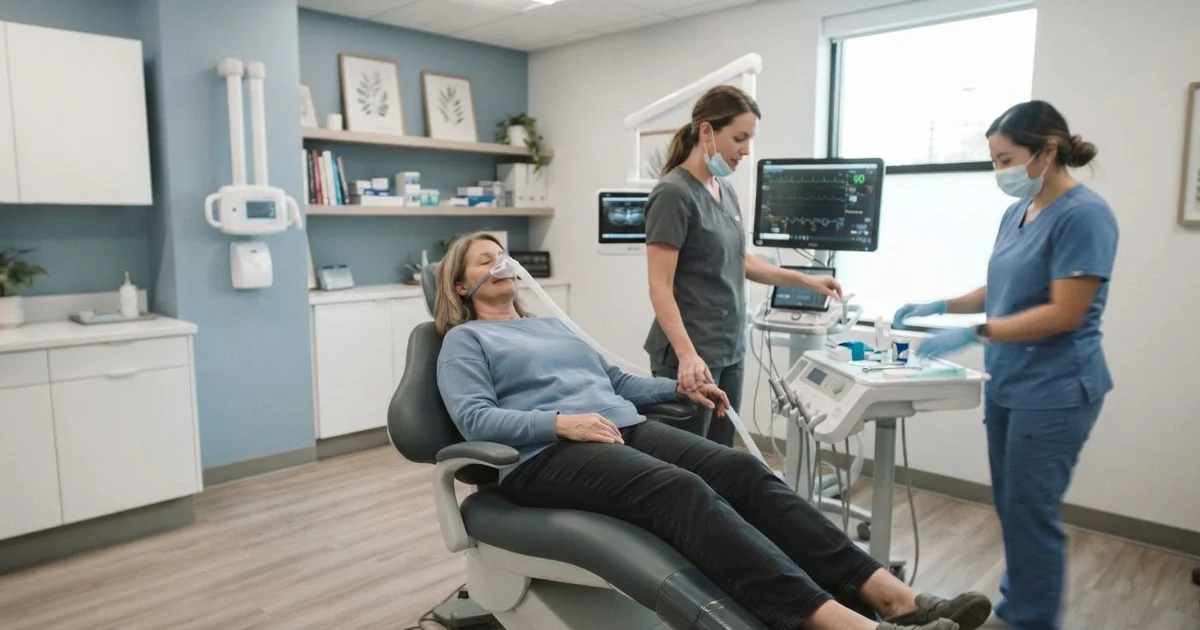
If the idea of implant surgery makes you want to cancel the appointment before you’ve even booked it, you’re not the exception. Dental anxiety shows up constantly in patient feedback across Greenville practices, often as relief once it’s addressed rather than a footnote. Sedation dentistry exists specifically for this, and most offices treat it as a normal part of planning an implant case, not an upgrade for the especially nervous. You can see which local providers offer sedation options through our sedation dentistry category.
What sedation is actually for here
The goal isn’t just making the procedure painless, local anesthetic largely handles that already. Sedation is about the anxiety itself: the racing heart before an appointment, the dread of the sound of instruments, or a bad memory from a past dental visit. A calmer patient also tends to make a surgical visit go more smoothly, since less movement and lower stress generally means an easier procedure for the surgical team too.
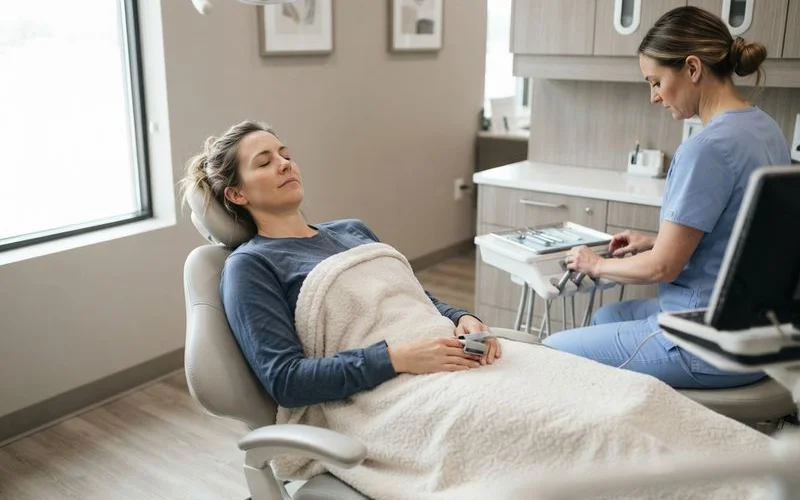
Sedation options exist on a spectrum, from mild to deeper relaxation, and your provider helps match the level to your actual anxiety rather than defaulting to the strongest option. Lighter approaches keep you awake and able to respond; deeper approaches mean you’re unlikely to remember much of the appointment afterward.
There’s no prize for choosing the lightest option if it doesn’t actually get you through the door. Plenty of patients undersell their own anxiety, assuming they should be able to handle it with just local anesthetic, and end up more stressed than they needed to be. Being honest about how anxious you really feel, rather than how anxious you think you should feel, leads to a better match.
What to expect if you bring up your anxiety
A provider used to anxious patients will usually:
- Ask specific questions about what triggers your anxiety (needles, sounds, gagging, past experiences), not just “are you nervous”
- Walk through what you’ll feel, hear, and see before starting, so nothing is a surprise mid-procedure
- Offer a sedation level matched to your anxiety and the procedure length, rather than a single default option
- Review your health history carefully, since some sedation types interact with certain medications or conditions
Signs a practice takes this seriously
| Sign | Why it matters |
|---|---|
| Asks about anxiety before you bring it up | Suggests it’s a routine part of their intake, not an afterthought |
| Explains sedation levels in plain language | You should understand your options, not just pick from a list |
| Has monitoring equipment visible during sedation | Standard practice for anything beyond local anesthetic |
| Staff describe the procedure calmly, step by step | Reduces the unknowns that usually drive anxiety in the first place |
Patient feedback across the area consistently praises gentle technique and staff who take time to reassure nervous patients, which suggests this is something local practices generally do well, not a rare exception to look for.
Bringing it up without feeling awkward
You don’t need a clinical explanation for why you’re anxious. “I get really nervous about dental work” or “I’ve had a bad experience before” is enough to start the conversation. A good provider takes it from there. If a practice brushes past the question or seems impatient with it, that’s worth noting as you compare offices, since this is exactly the kind of interaction that shapes how the rest of your treatment feels.
It can also help to mention anxiety when you first call to schedule, rather than waiting until you’re in the chair. That gives the office a chance to plan extra time for your consultation and think through sedation options before you arrive, instead of working it out on the spot. If surgical safety itself is the bigger worry, our guide on dental implant surgery safety and recovery covers the real risks and what recovery typically feels like.
This is general information, not medical advice. Whether a particular sedation option is appropriate for you depends on your health history, which your provider reviews individually.
If you’re still weighing which local office to choose, our ranking methodology explains how we factor in patient sentiment around comfort and communication, and you can browse other treatment categories from the home page.
Frequently asked questions
- Is it normal to be scared of getting a dental implant?
- Very. Dental anxiety is common enough that most implant providers have a standard process for addressing it, rather than treating it as unusual.
- Will I be unconscious during the procedure?
- Not necessarily. Sedation exists on a spectrum from mild relaxation to deeper sedation, and your provider works with you to pick a level that matches your anxiety and the procedure itself.
- Do I need to tell my dentist I'm anxious?
- Yes, and it's worth being specific. Saying you're nervous about needles, gagging, or a specific past experience helps a provider adjust their approach, not just the sedation level.
- Does being sedated make the implant procedure itself safer or riskier?
- Sedation is generally safe when matched to your health history, but it adds its own considerations, which is why providers review your medical history before recommending a level.